


2018
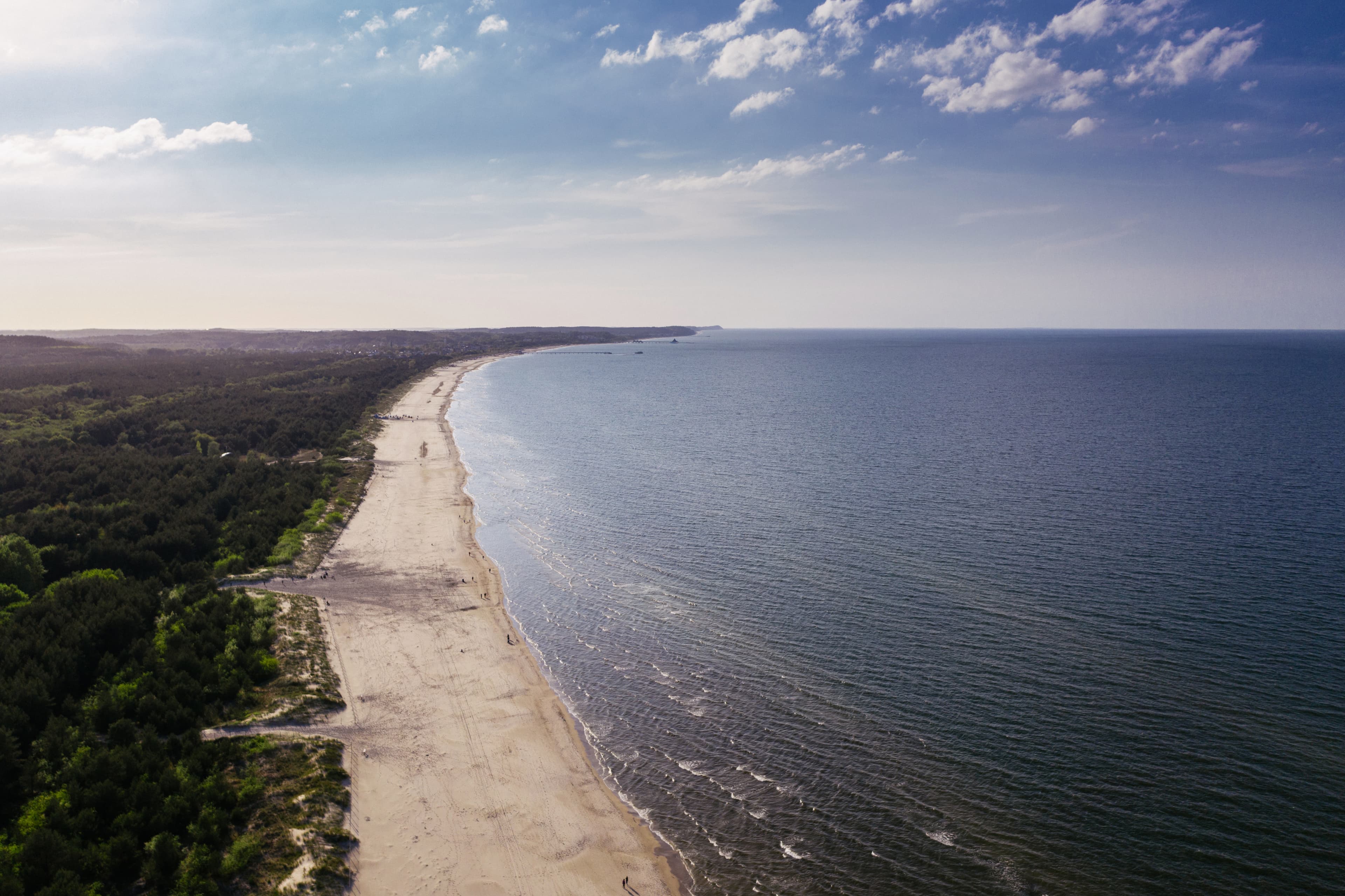
Świnoujście (German: Swinemünde, both names meaning Świna [river] mouth) is a city and seaport on the Baltic Sea and Szczecin Lagoon, located in the extreme north-west of Poland.
It is situated mainly on the islands of Usedom and Wolin, but also occupies smaller islands, of which the largest is Karsibór island, once part of Usedom, now separated by the Piast Canal (formerly the Kaiserfahrt) dug in the late 19th century to facilitate ship access to Szczecin. Świnoujście directly borders the German seaside resort of Ahlbeck on Usedom, both are freely connected by a street and by 12 km (7 mi) of beach promenade.
The first human settlements, in areas that are now Świnoujście appeared five thousand years ago, as confirmed by archaeological findings. For a thousand years the estuary of the river was part of the state of the Świnoujście who were annexed by Polish ruler Mieszko I
The construction of breakwaters between the years of 1818 – 1824 made the port entry safe and calm, even during stormy weather. To enhance navigational safety, an illuminating beacon was mounted on the breakwater in 1828, and two years later an observation tower was erected on its eastern seaside. The construction of then the highest lighthouse worldwide began in 1854, and the facility was commissioned in December 1857. Between 1874 – 1880, the Royal Canal [now the Piastowski Canal] was built. This considerably shortened the water route connecting the middle section of Świna directly to Szczecin Lake. This canal was constructed by bisecting the Isle of Usedom [which is how the Isle of Karsibór came into existence]. At the same time, the water tract was deepened. All these actions contributed to Świnoujście's failure as a commercial port. The deepening of Świna let large vessels get to and return from Szczecin without stopping in Świnoujście. This eventually resulted in many transit and riverine services people losing their jobs.
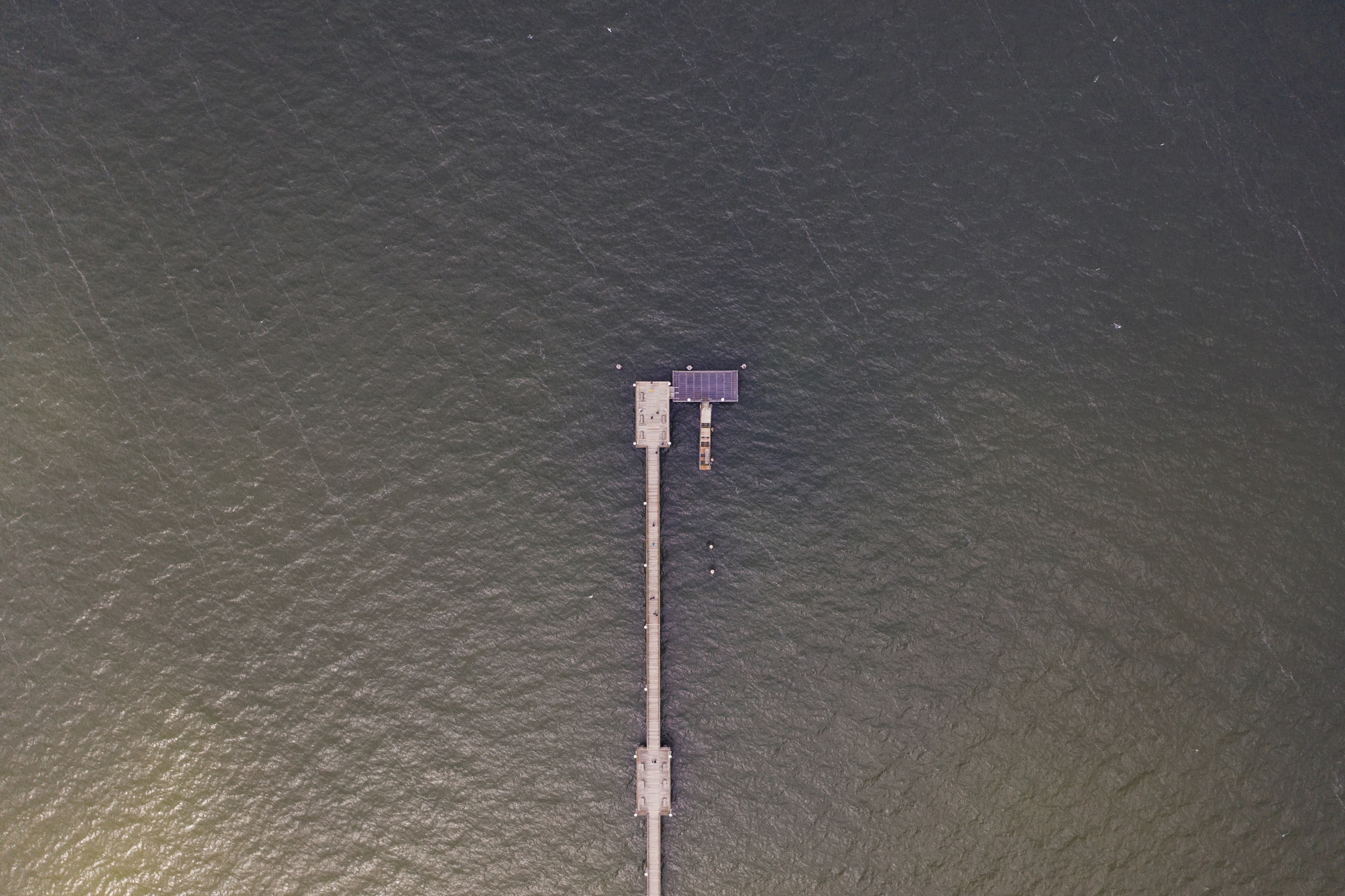
Under these circumstances, attention was drawn to the location, the beautiful beaches and the healthy climate of Świnoujście. In 1826, these qualities inspired the construction of the first Spa Centre. It housed the first baths, for the purpose of which, sea water was delivered in barrels. The first 613 visitors came that very same year. Shortly afterwards, the Spa Park was established. It was laid-out in 1827, by Peter Joseph Lenne, Manager of the Royal Gardens in Berlin (even today, this park serves as a natural border between the city centre and the resort district). In the 19th Century, a walking path (promenade) was also built, running along the seaside and leading to the major spots of the resort district. This as well, provided access to both the beaches and the pier (back in those days, people would relax upon three different beaches, separate ones for single men, single women and families). Contributing hugely to the further development and expansion of the resort, was the lucky find during the excavation work in 1890 – 1898, and then in 1903 – 1904, of abundant salt springs. These were recognized as offering valuable healing properties.
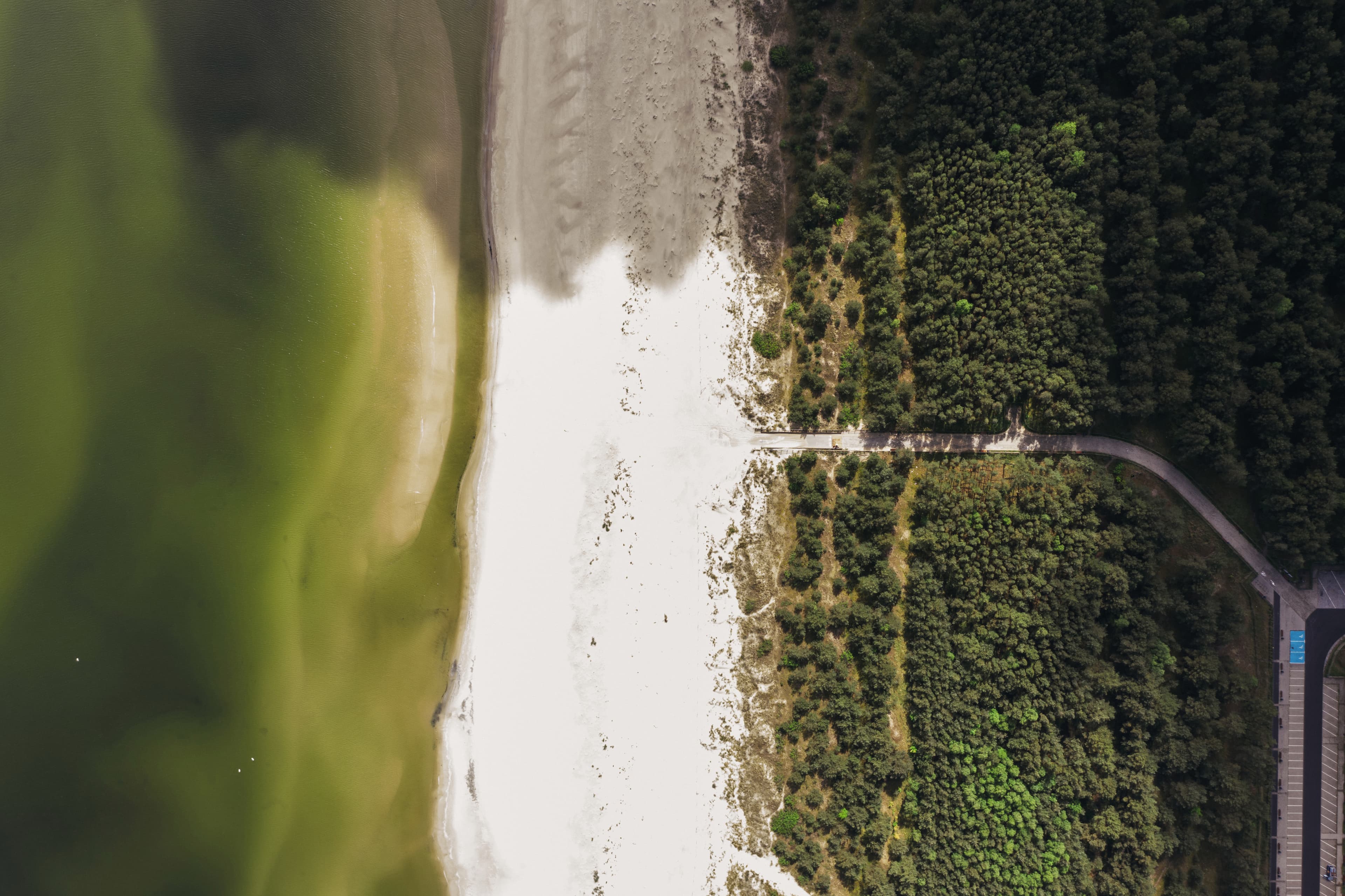
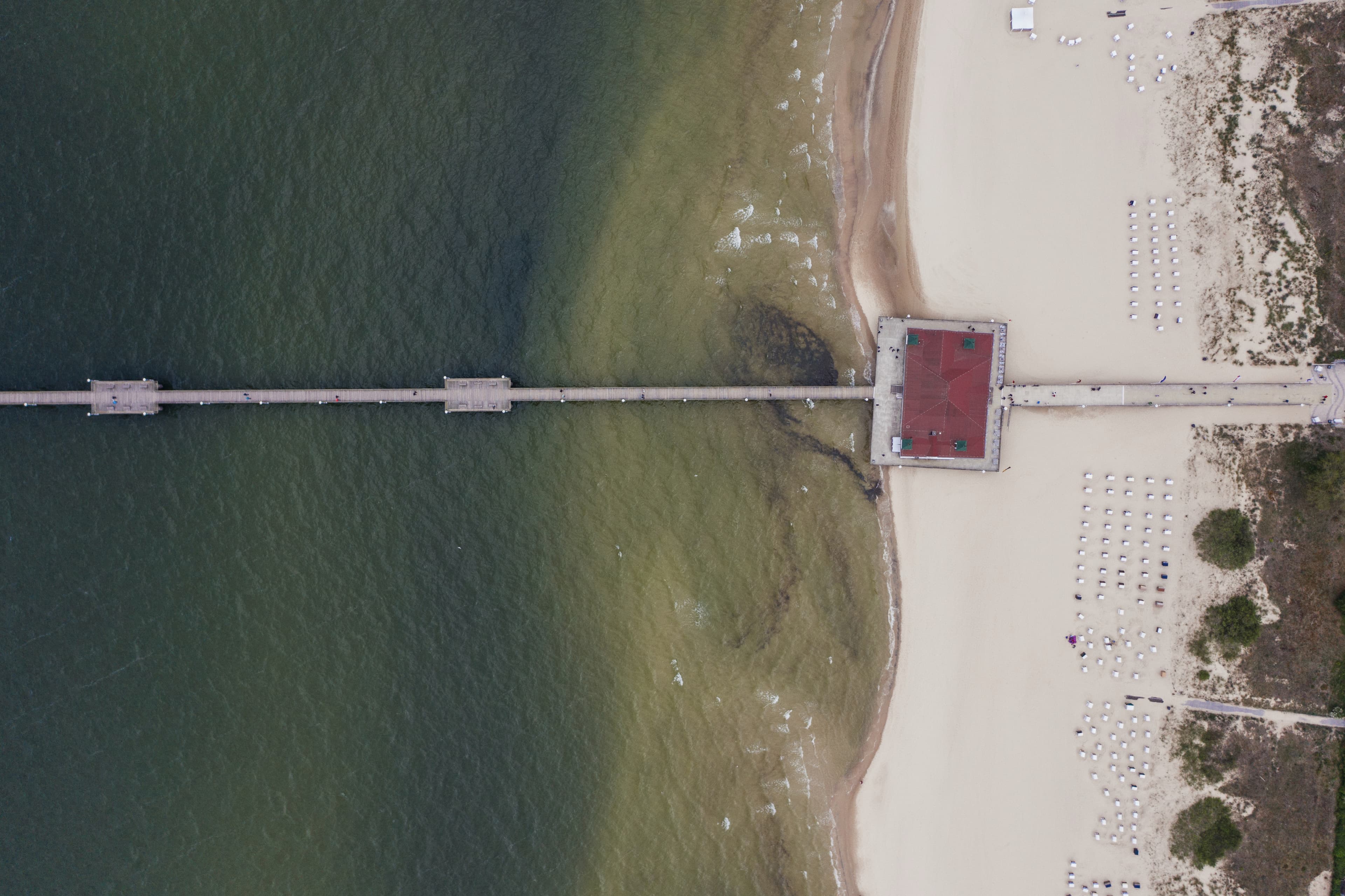
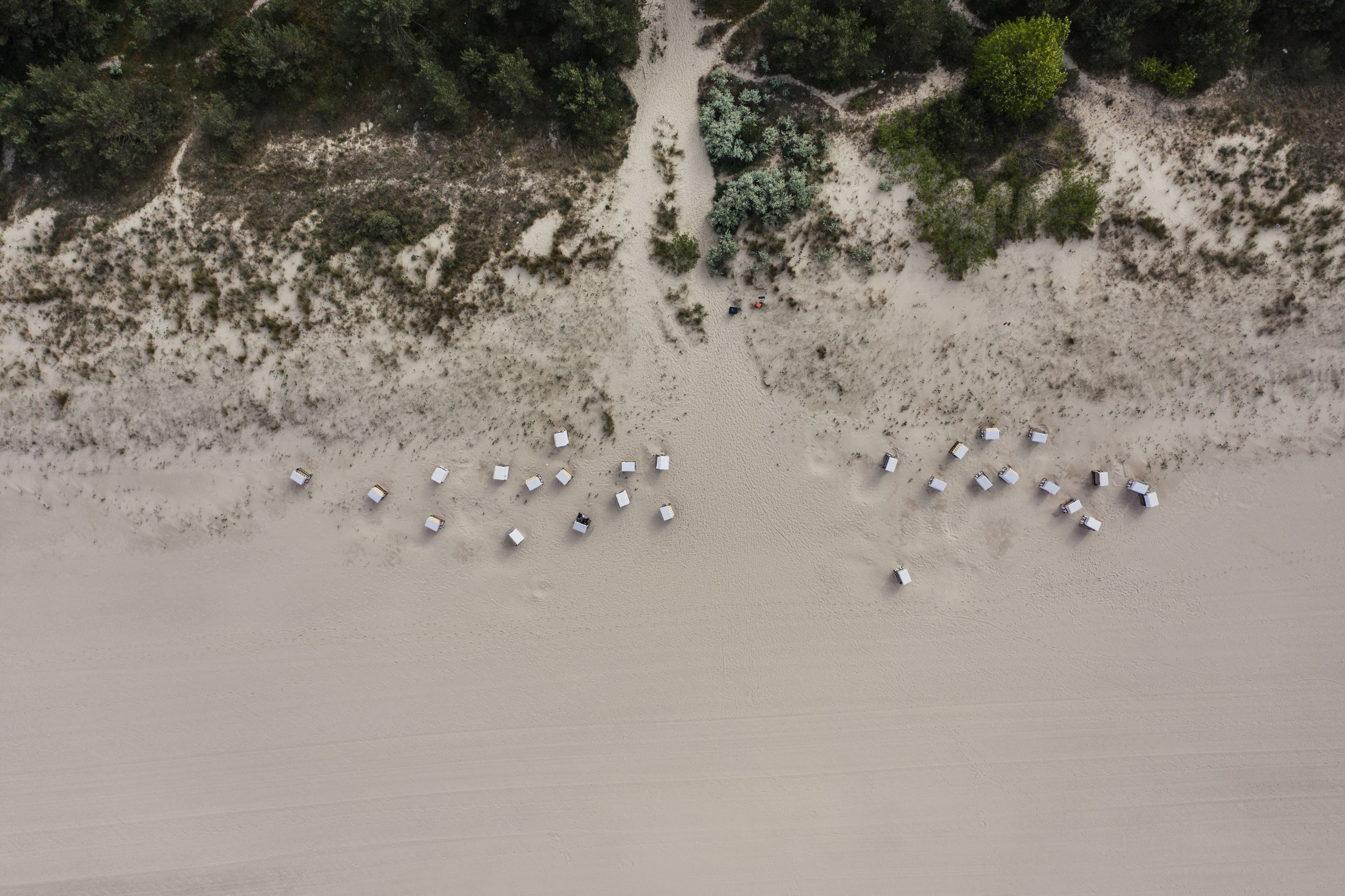
Spring
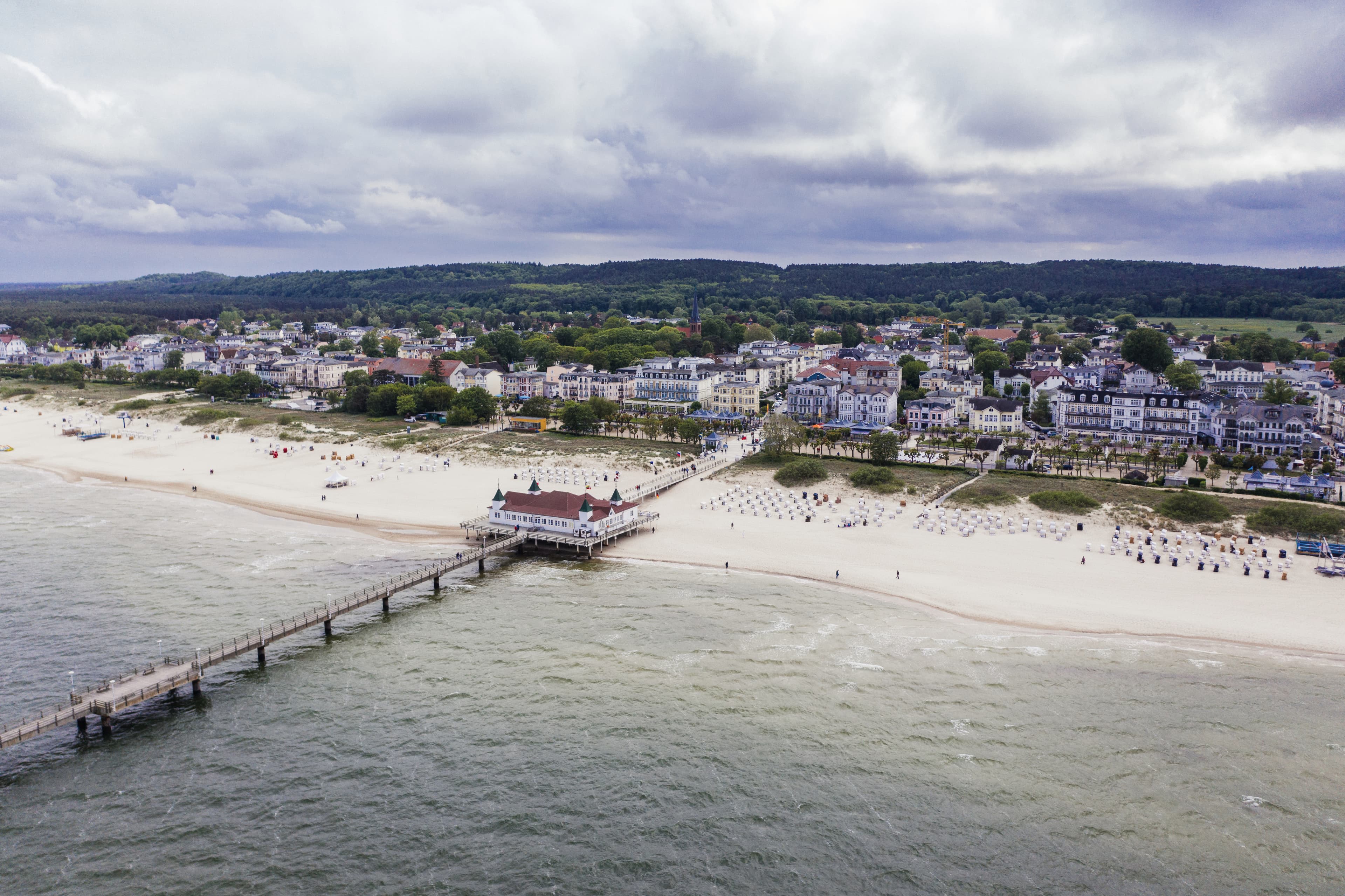
Available across selected platforms.
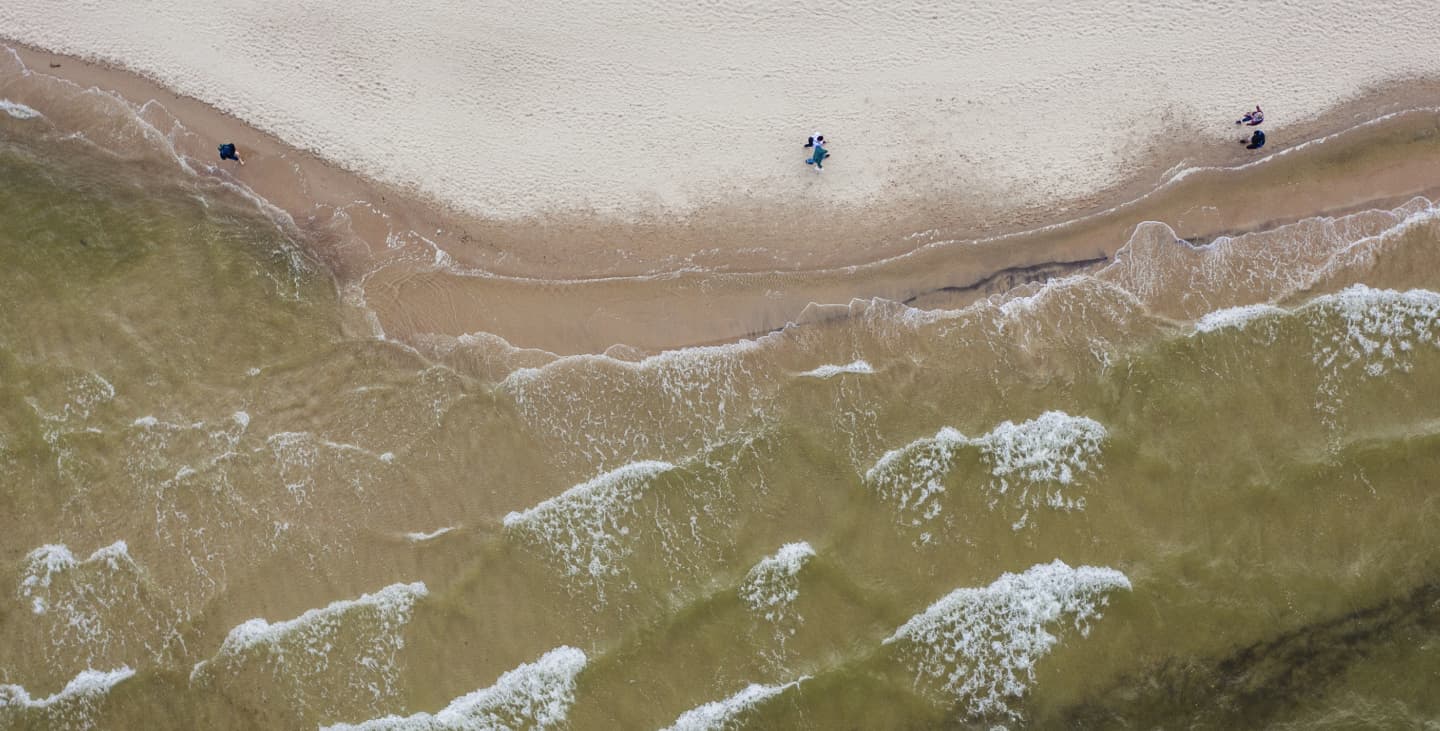
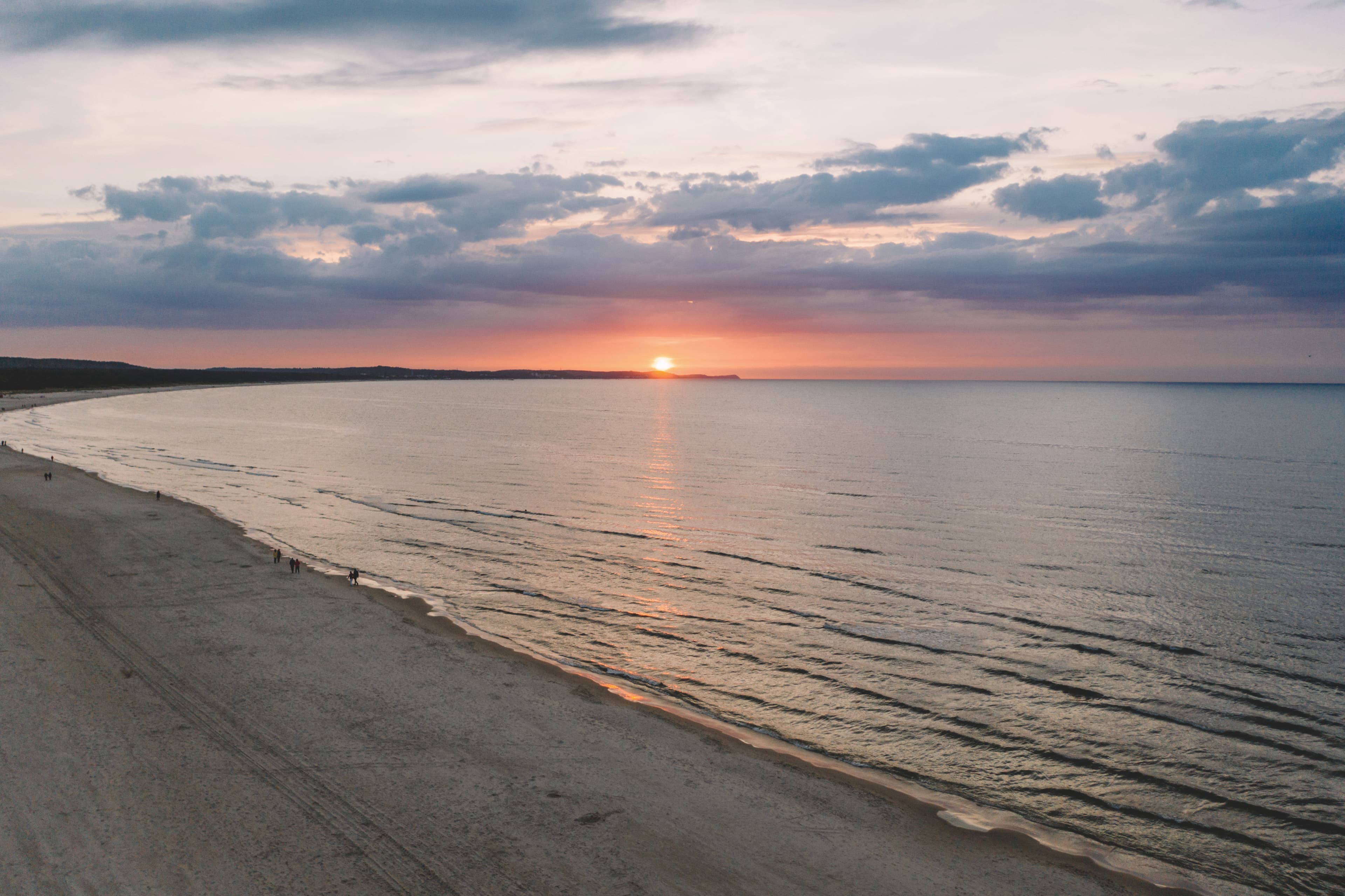
The Aerial Baltic is a collection of aerial drone photos captured during spring along the Polish Baltic coast. Stunning perspectives of coastlines, harbors, and islands viewed from above.
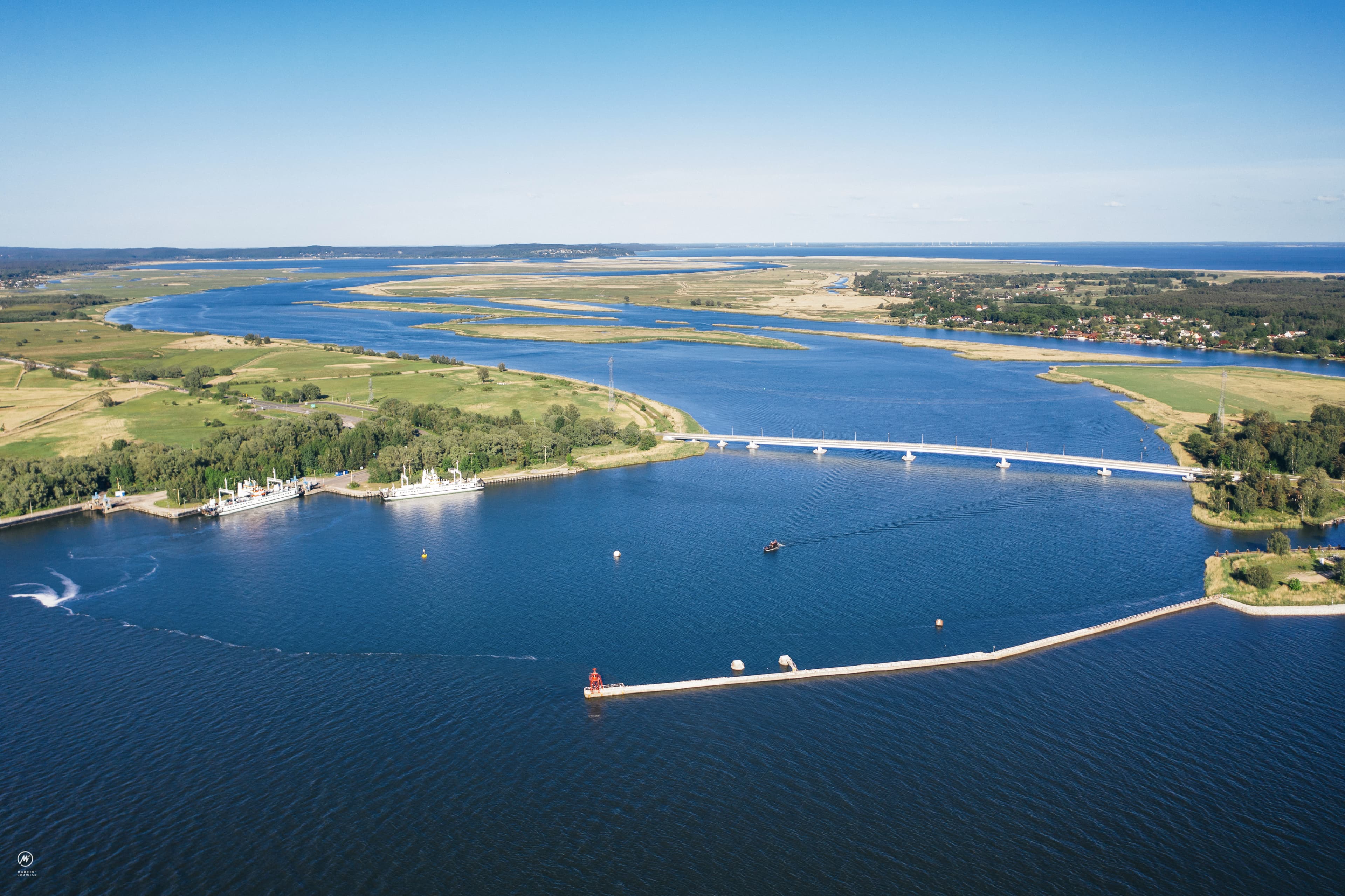
Karsibór Ferries - inland passenger and car ferries .
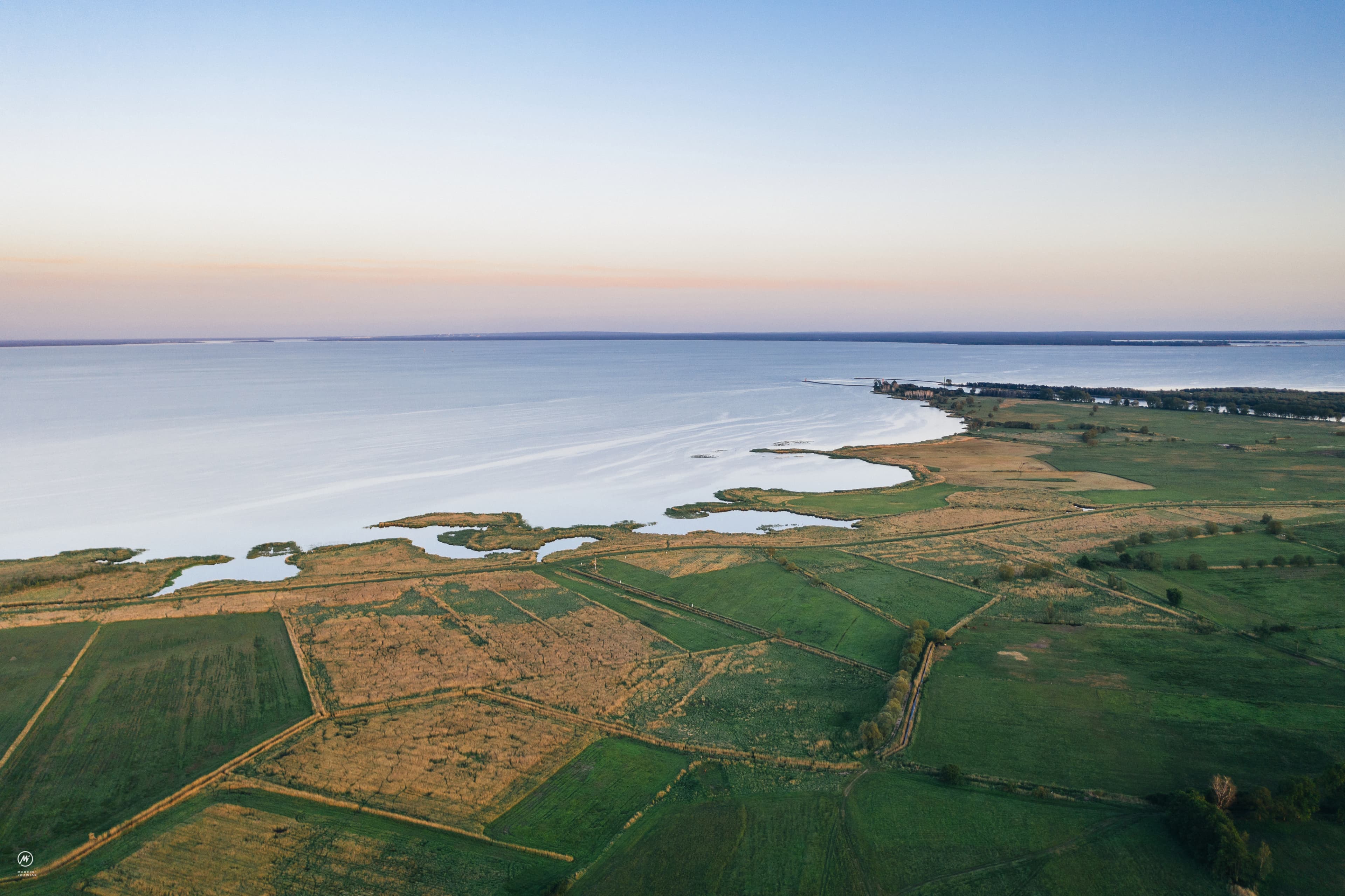
Karsibór .
The canal, approximately 12 km (7.5 mi) long and 10 metres (33 ft) deep, was dug by the German Empire between 1874 and 1880, during the reign of the first Kaiser Wilhelm (1797 - 1888) after whom it was named.

Majestic splatter. Abstract paint.
