


2018
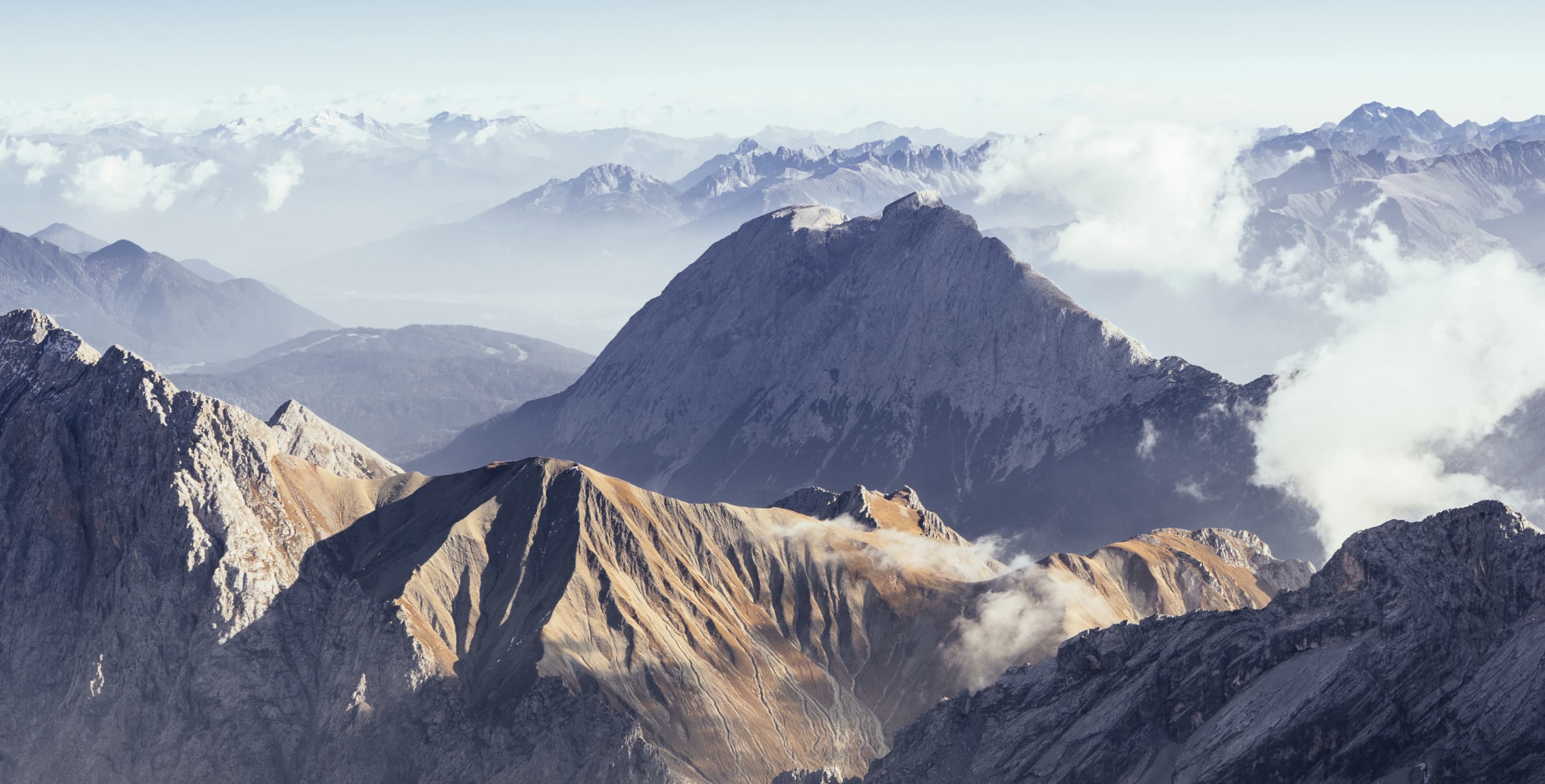
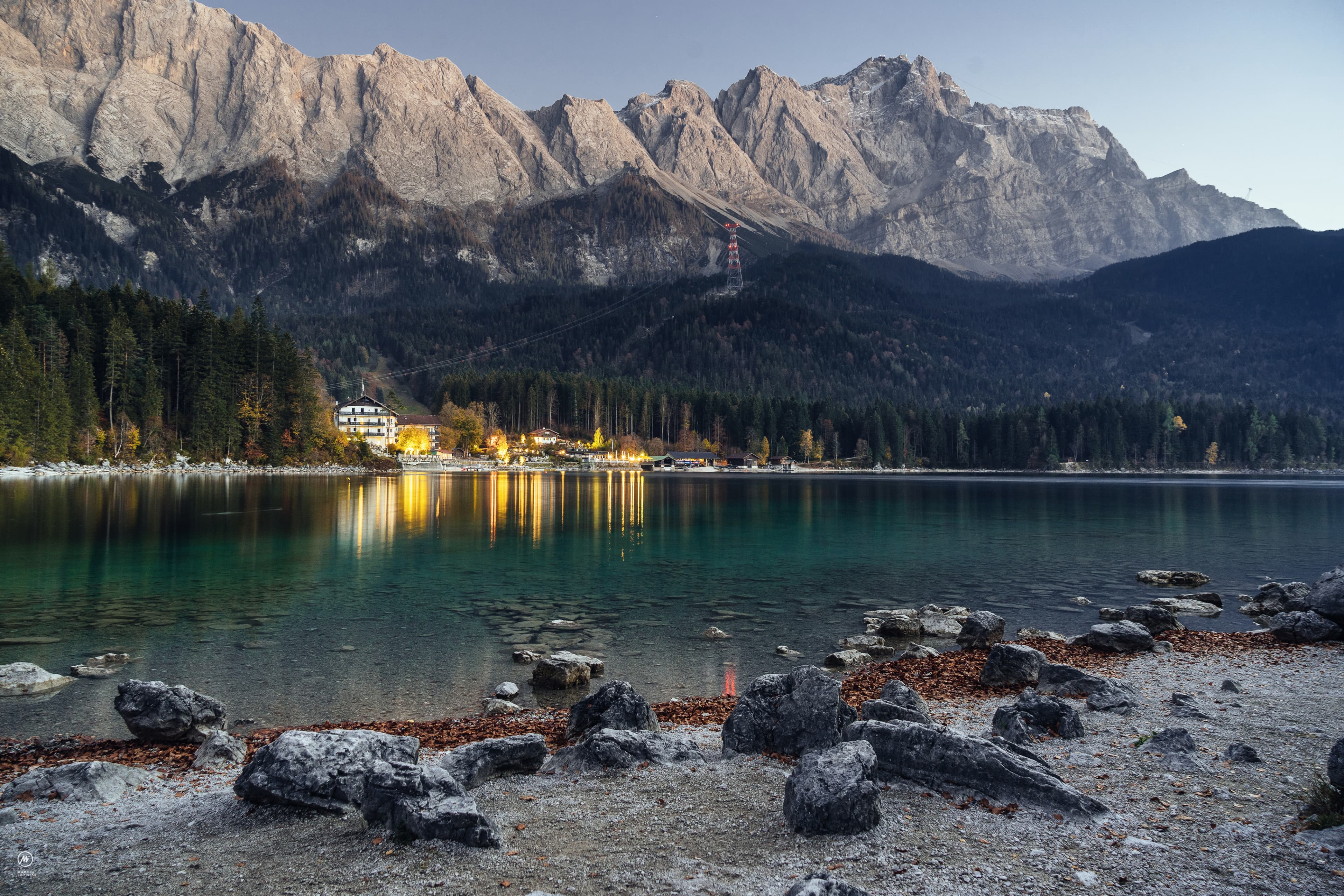
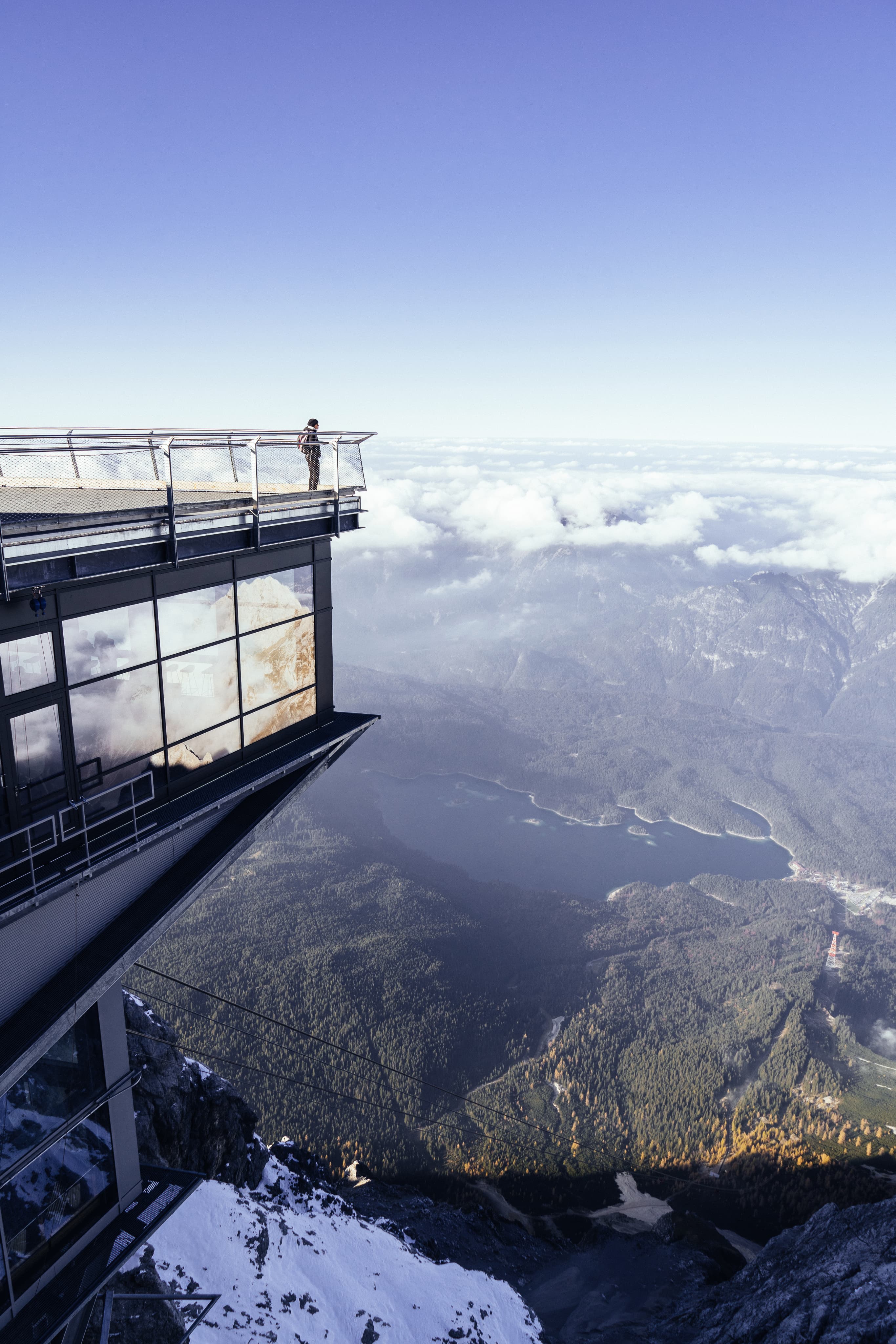
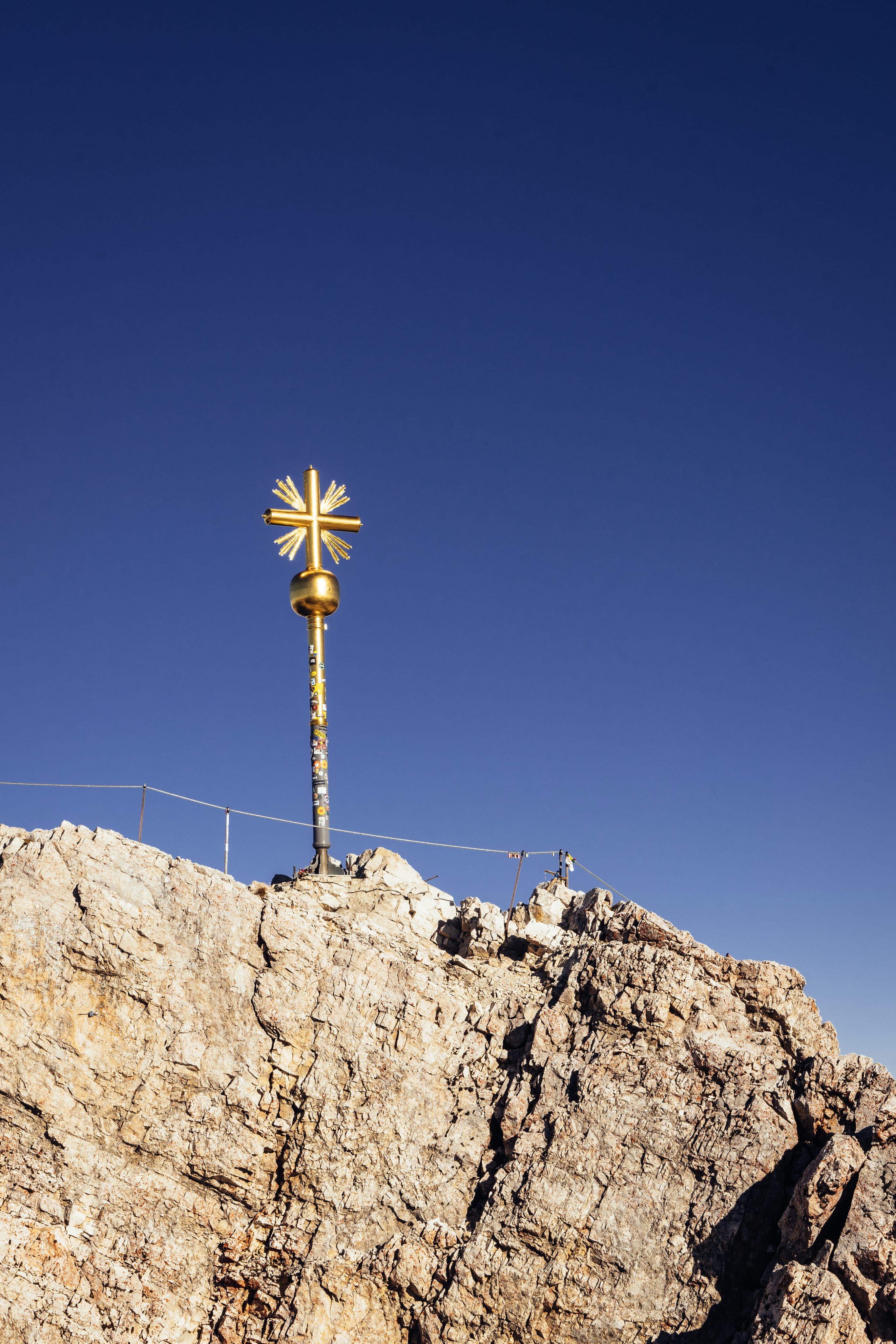
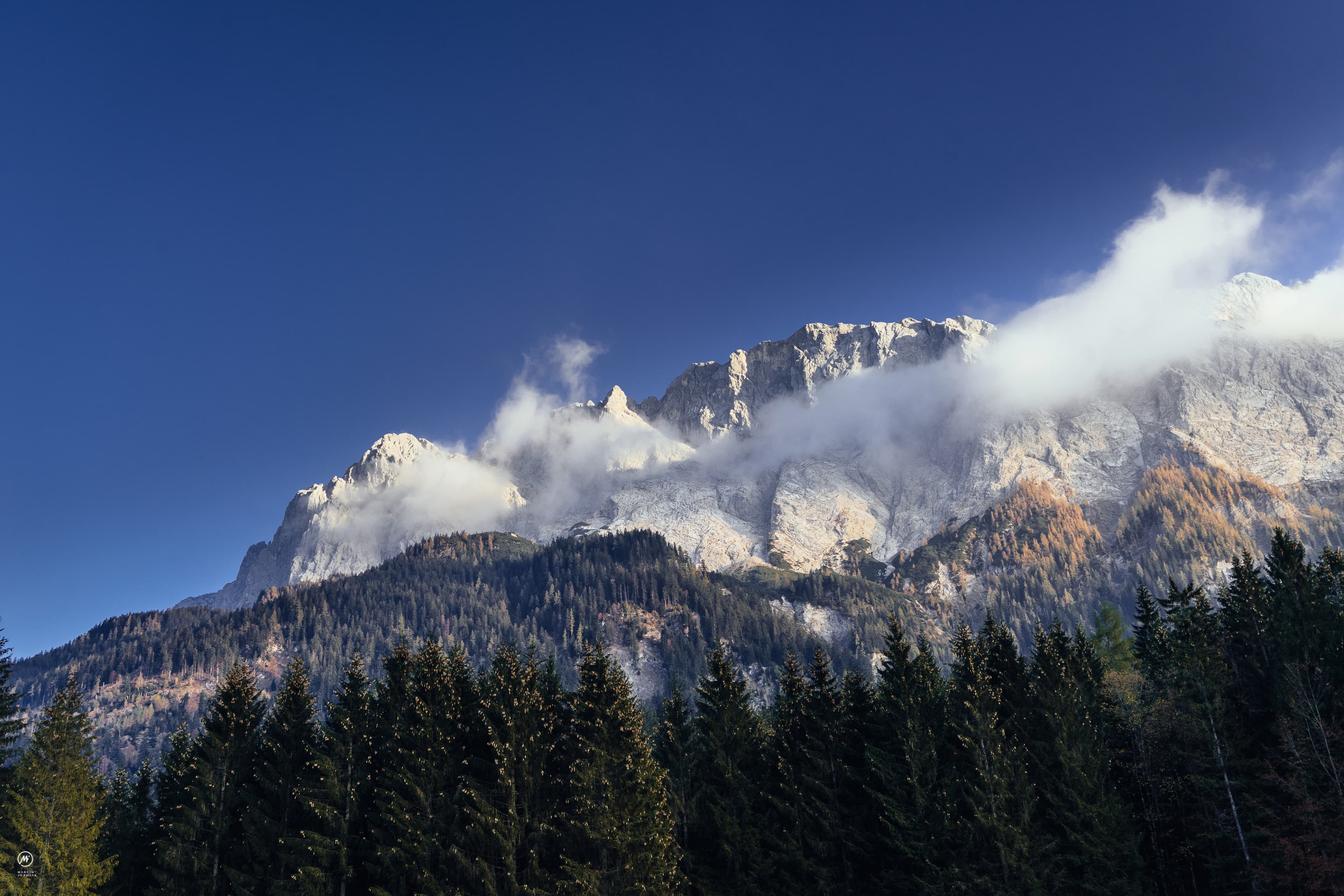
The Zugspitze, at 2,962 m (9,718 ft) above sea level, is the highest peak of the Wetterstein Mountains as well as the highest mountain in Germany. It lies south of the town of Garmisch-Partenkirchen, and the Austria–Germany border runs over its western summit.
South of the mountain is the Zugspitzplatt, a high karst plateau with numerous caves. On the flanks of the Zugspitze are three glaciers, including the two largest in Germany: the Northern Schneeferner with an area of 30.7 hectares and the Höllentalferner with an area of 24.7 hectares. The third is the Southern Schneeferner which covers 8.4 hectares.
From the early 14th century, geographic names from the Wetterstein Mountains began to be recorded in treaties and on maps, and this trend intensified in the 15th century. In 1536 a border treaty dating to 1500 was refined in that its course was specified as running over a Schartten ("wind gap" or "col")
In the 17th century the reference to this landmark in the treaty was further clarified as "now known as the Zugspüz" (jetzt Zugspüz genant). The landmark referred to was a wind gap on the summit of the Zugspitze and is used time and again in other sources. During the Middle Ages Scharte was a common name for the Zugspitze. The Zugspitze was first mentioned by name in 1590. In a description of the border between the County of Werdenfels and Austria, it states that the same border runs "from the Zugspitz and over the Derle" (von dem Zugspitz und über den Derle") and continues to a bridge over the River Loisach
The first recorded ascent to the summit was accomplished by a team of land surveyors on 27 August 1820. The team was led by Lieutenant Josef Naus, who was accompanied by two men named Maier and G. Deutschl. However, local people had conquered the peak over 50 years earlier, according to a 1770 map discovered by the Alpenverein. In 1854, the northern part of the Zugspitze was given to Bavaria as a present by Emperor of Austria and Apostolic King of Hungary Franz Joseph I as a marriage present to his wife Princess Elisabeth ("Sissi"). Since then the Zugspitze is the highest mountain of Bavaria and later of Germany. On 7 January 1882 the first successful winter assault on the Zugspitze was accomplished by F. Kilger, H. and J. Zametzer and H. Schwaiger.
Autumn
Available across selected platforms.
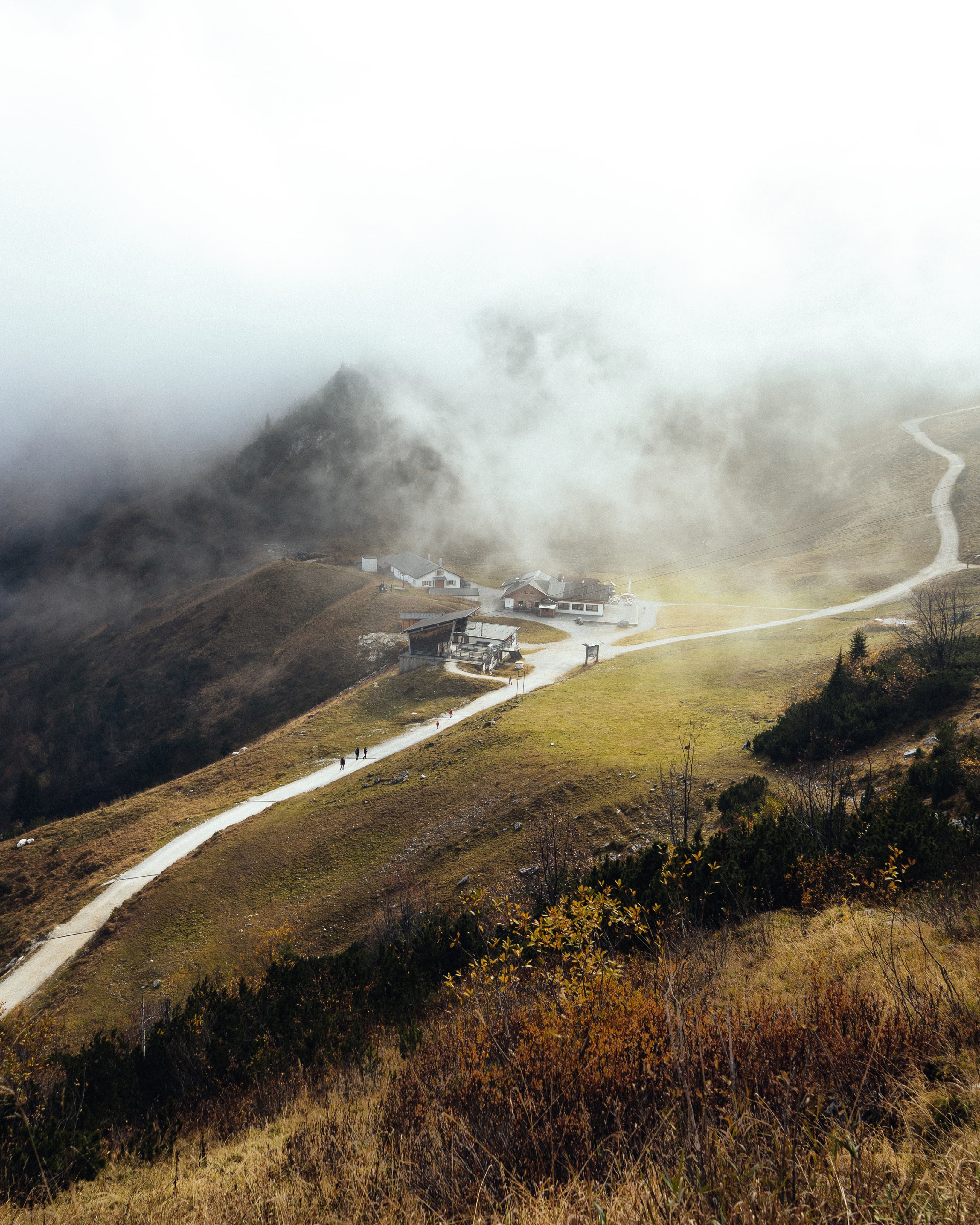
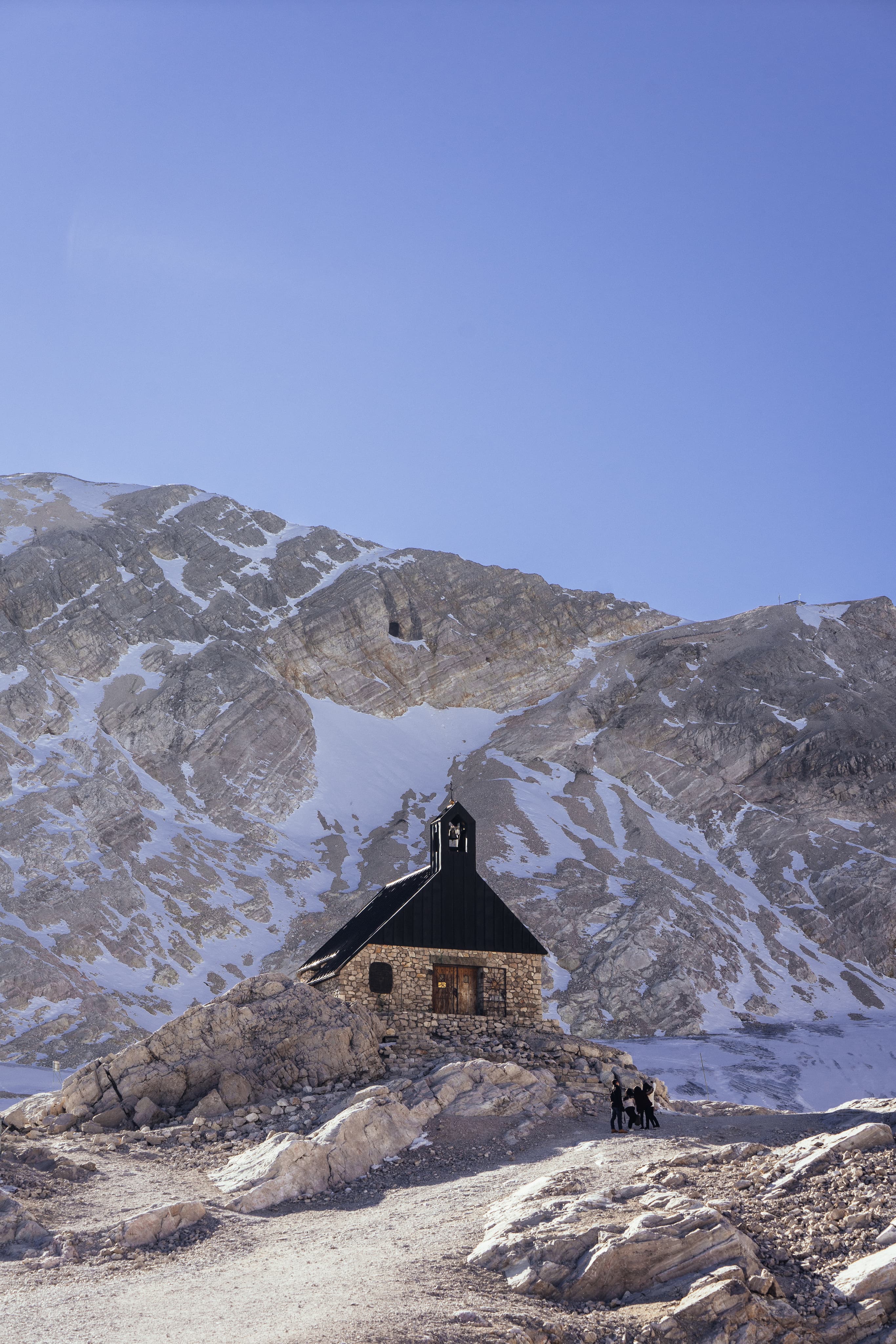
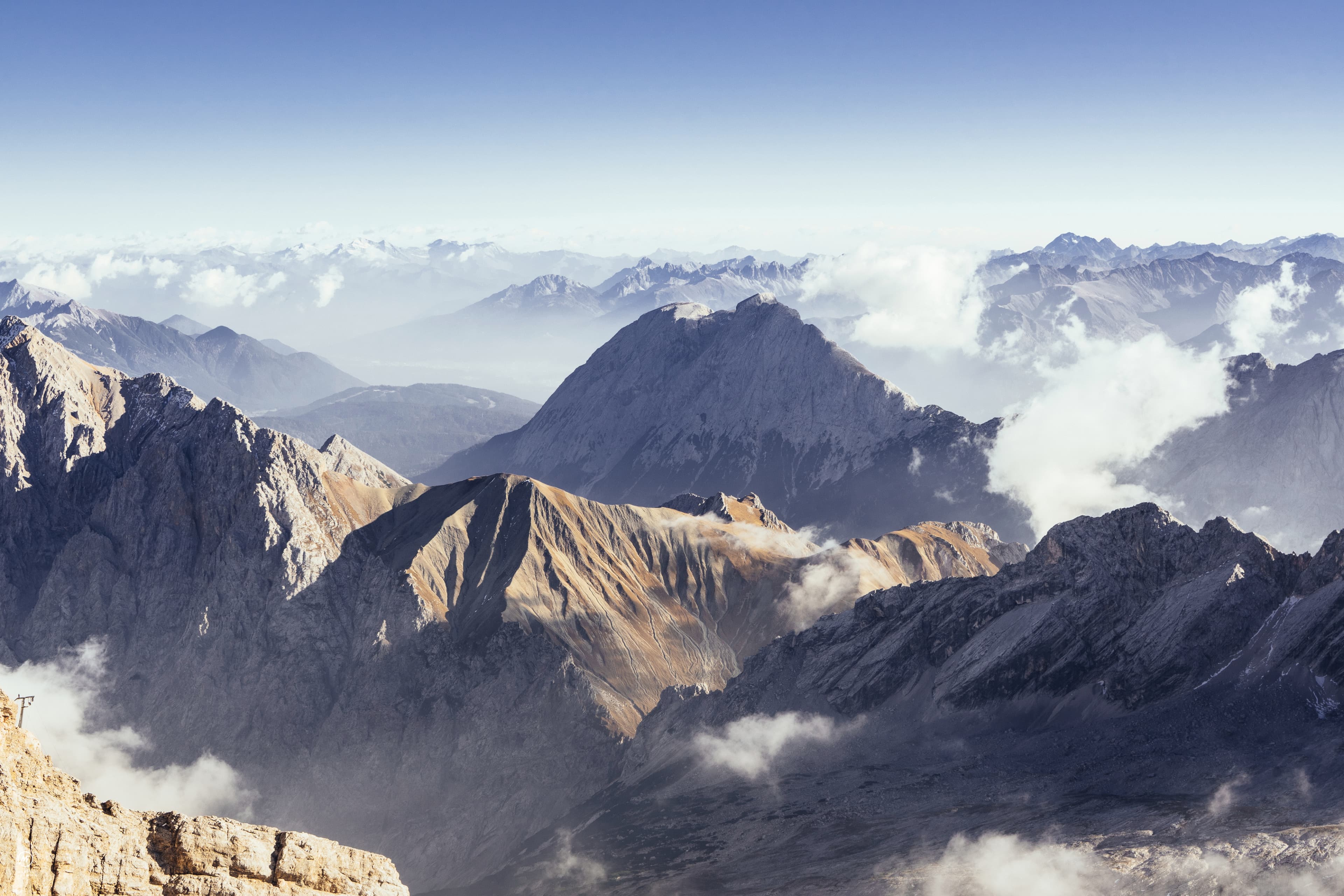
Top of the Germany is a collection of photos shoot during early autumn in Germany's side of the Alps. Classic travel photography viewed through the eyes of a tourist.
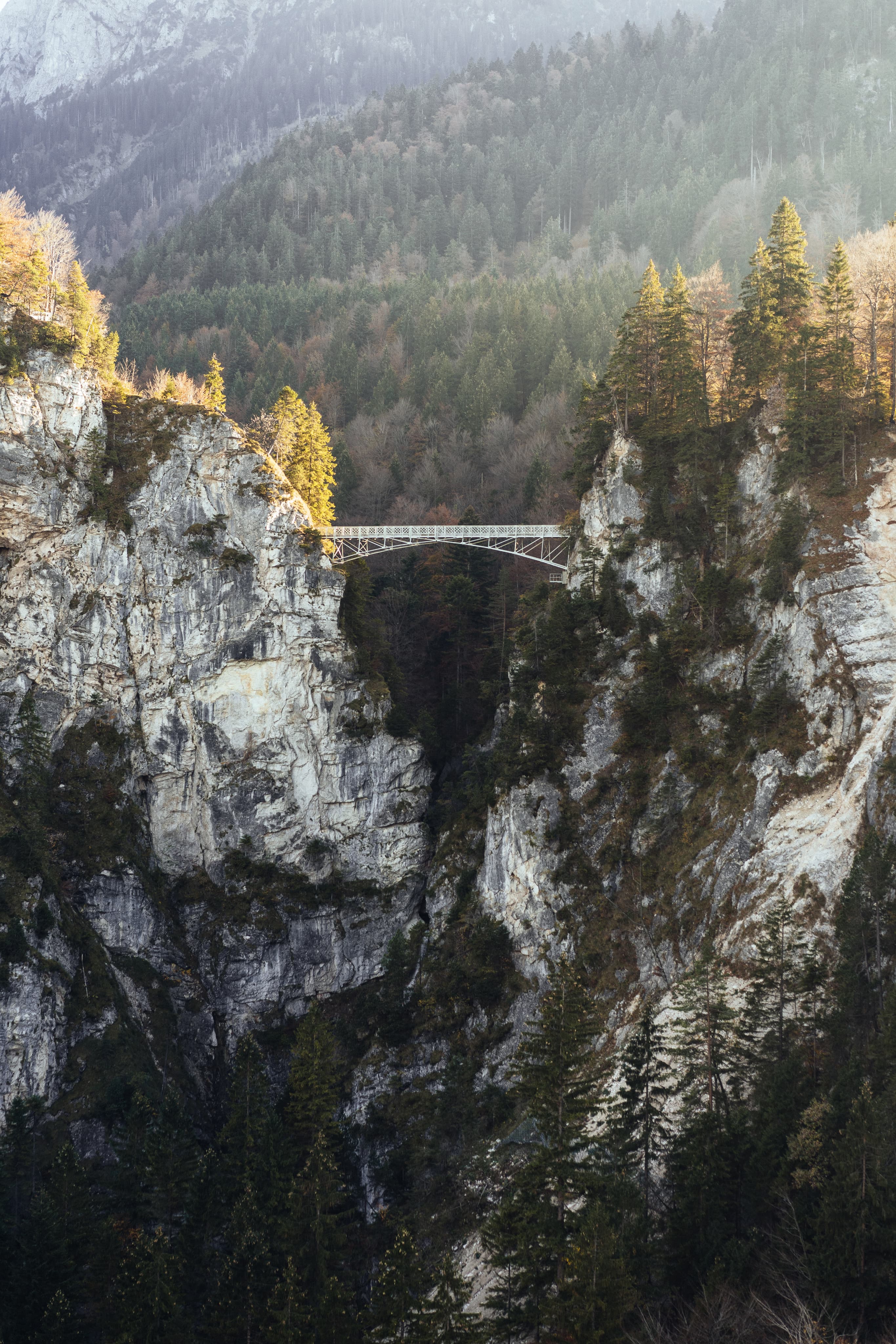
Neuschwanstein & Marienbrücke .
Garmisch-Partenkirchen .
Partenkirchen originated as the Roman town of Partanum on the trade route from Venice to Augsburg and is first mentioned in the year A.D. 15. Its main street, Ludwigsstrasse, follows the original Roman road.

Abstract Waveform.Volume 1. - Azure.
